
Ocean Innovator Award
Recognizing and promoting innovative ocean-related research and applied solutions.
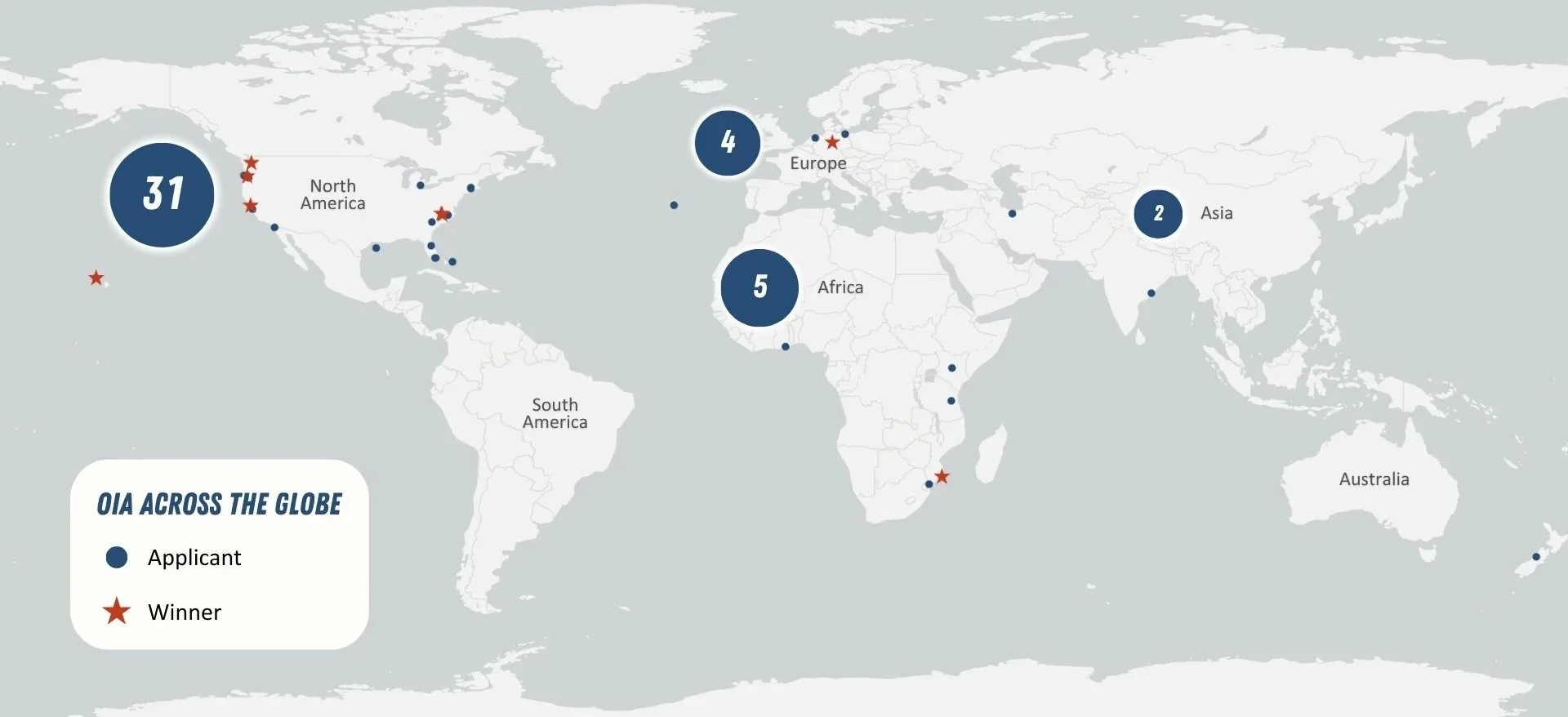
2026 Ocean Innovator Award winners
-
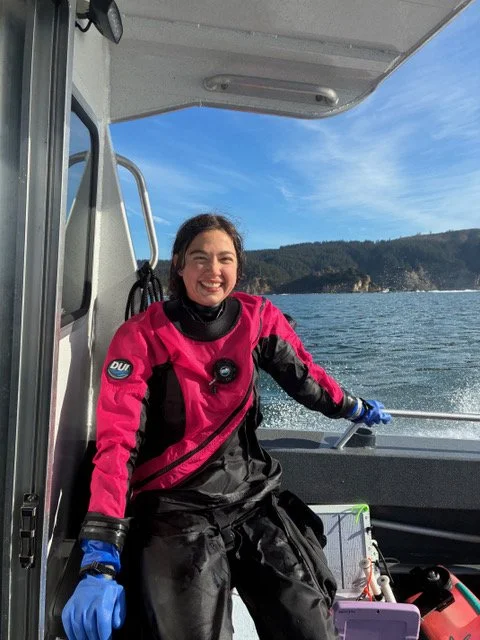
1st Place: Wave Moretto
Ph.D. Candidate, Oregon State University
Kelp forests have a special role in sustaining Oregon’s nearshore fish communities. To document these populations, Wave uses innovative SCUBA survey methods alongside environmental DNA (eDNA) monitoring. She is helping develop an autonomous eDNA sampler to deploy in these coastal habitats. This vital research aims to establish long-term monitoring frameworks for future marine conservation.
-
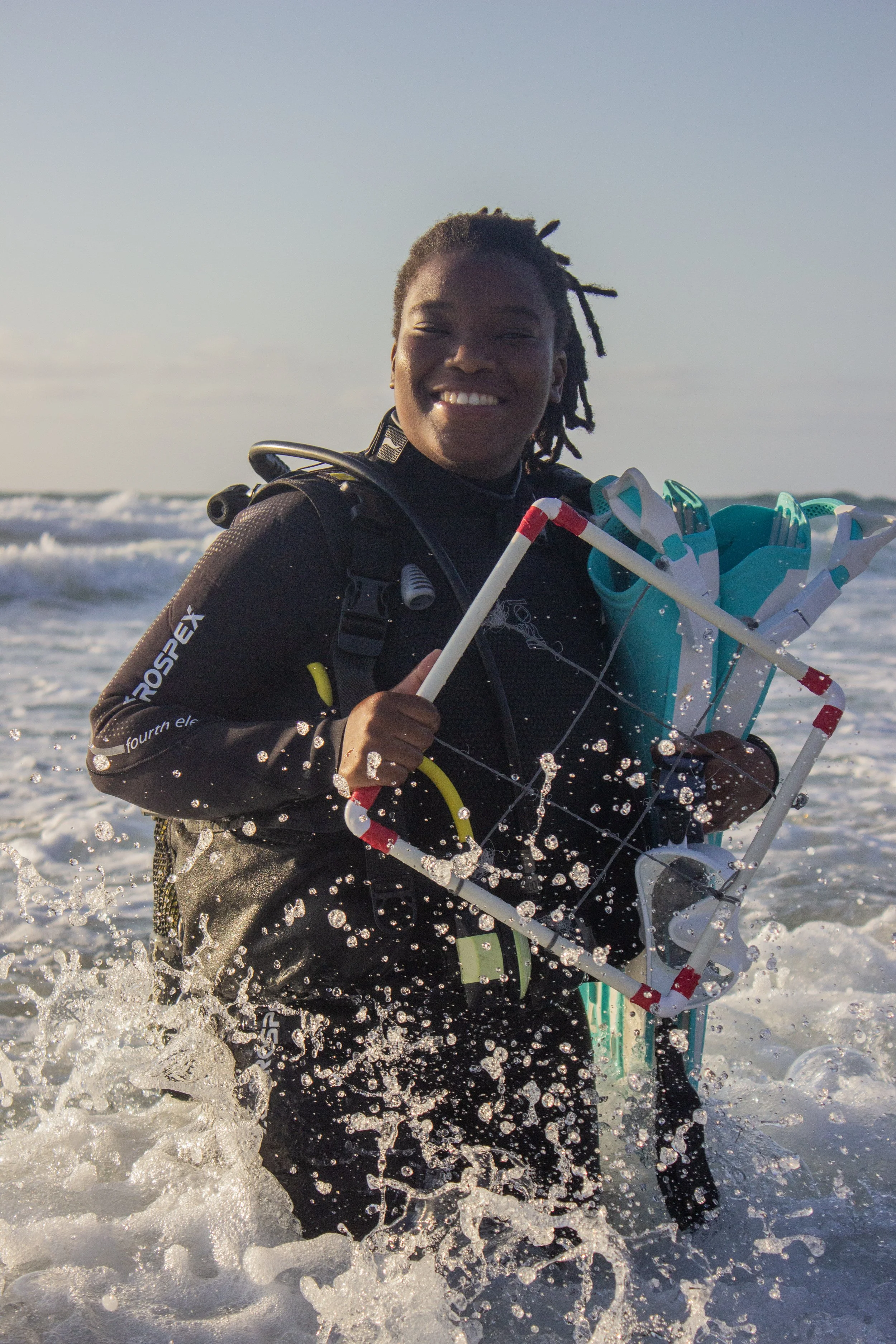
2nd Place: Yudmila Chunguane
Lead Marine Biologist, Love the Oceans
Project BEAM (Biodiversity Enhancement and Algae Management) is a youth-led coral reef restoration initiative situated in Jangamo Bay, Mozambique. By empowering youth, generating reproducible scientific data through relevant institutional partnerships, and fostering local and regional knowledge exchange, BEAM provides a replicable model for sustainable coral reef management.
-
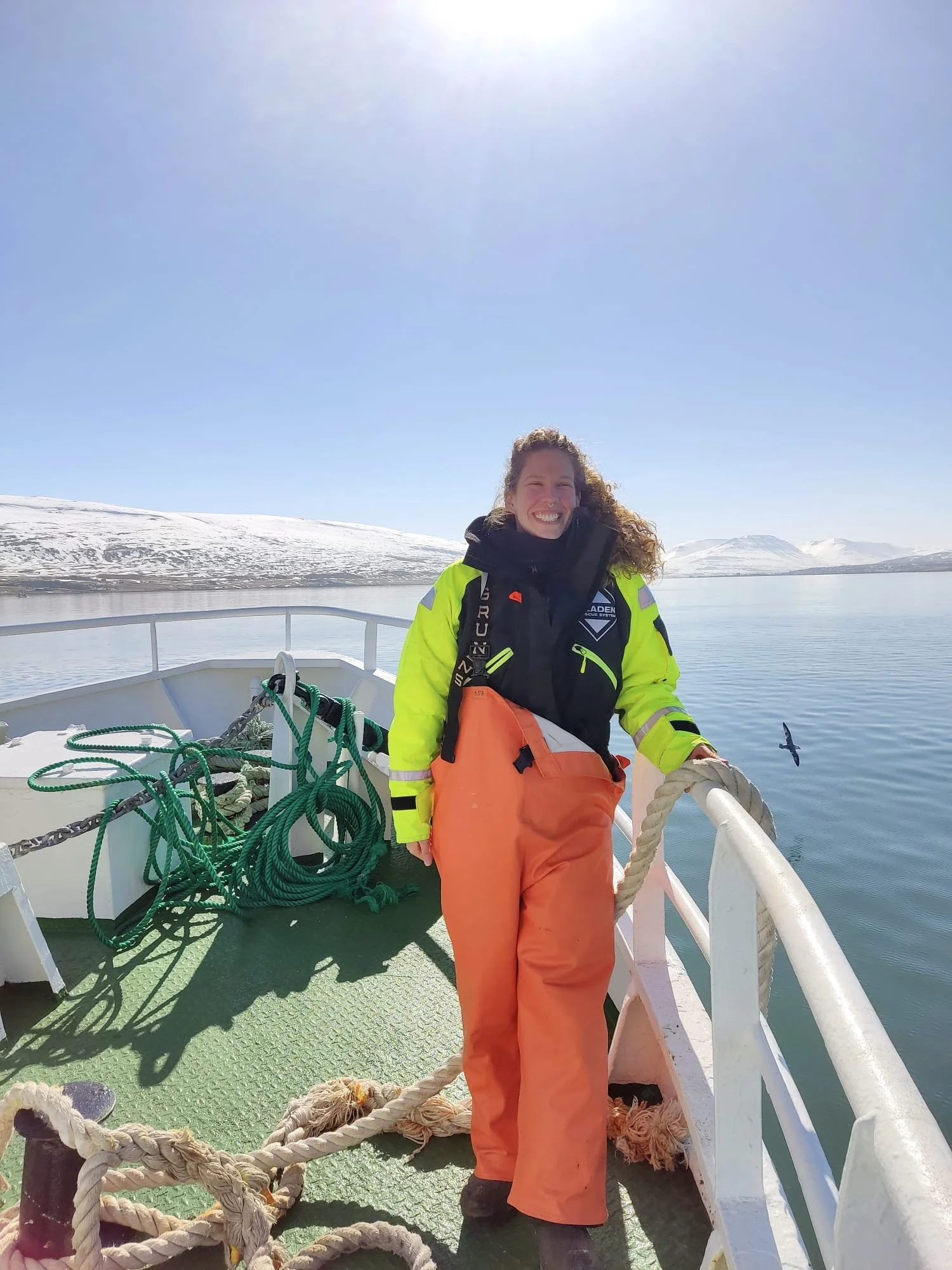
3rd Place: Andrea de Moura Milanelli
Ph.D. Student, Thünen Institute
Incidental capture in fishing gear is a major threats to marine mammals worldwide. Andrea developed the PearlNet, an innovative modification of conventional gillnets designed to increase their acoustic detectability for echolocating animals. By combining acoustics, fishing technology, engineering, and collaboration with fishers, the PearlNet represents a practical and scalable innovation.
Hear from the winners
All three winners were featured at the 2026 Ocean Innovator Award webinar, co-hosted with OCTO.
The Ocean Innovator Award recognizes and promotes innovative ocean-related research and applied solutions. We are particularly interested in projects that create unique solutions to salient ocean and coastal topics, such as renewable energy, conservation, and beyond. Winners are selected based on the quality and originality of their research. Winners receive a cash prize up to $2,000 and are featured on an Ocean Innovators Webinar to elevate their work across the nation.
Eligibility: This award is open to early career individuals (loosely defined as up to 3 years into your career) in ocean, coastal, or estuarine fields, including current students. There are no specific restrictions on the location, topic, or theme of the project, as long as the project clearly relates to ocean, coastal, or estuarine environments. We encourage applications from various disciplines and approaches. Projects can be in any stage of the process; we will consider projects with unfinished results. If you have specific questions about eligibility, please contact us at info@sea-shoresolutions.com
Previous Award Cycles